Harvard Built the Bureaucracy. Staff Will Pay for It.
According to the Wall Street Journal, Harvard is preparing to cut hundreds of staff positions and reorganize one of its largest academic units.
The reason is simple enough: The university says its structure has become too expensive and too complicated.
The process for fixing it has been neither.
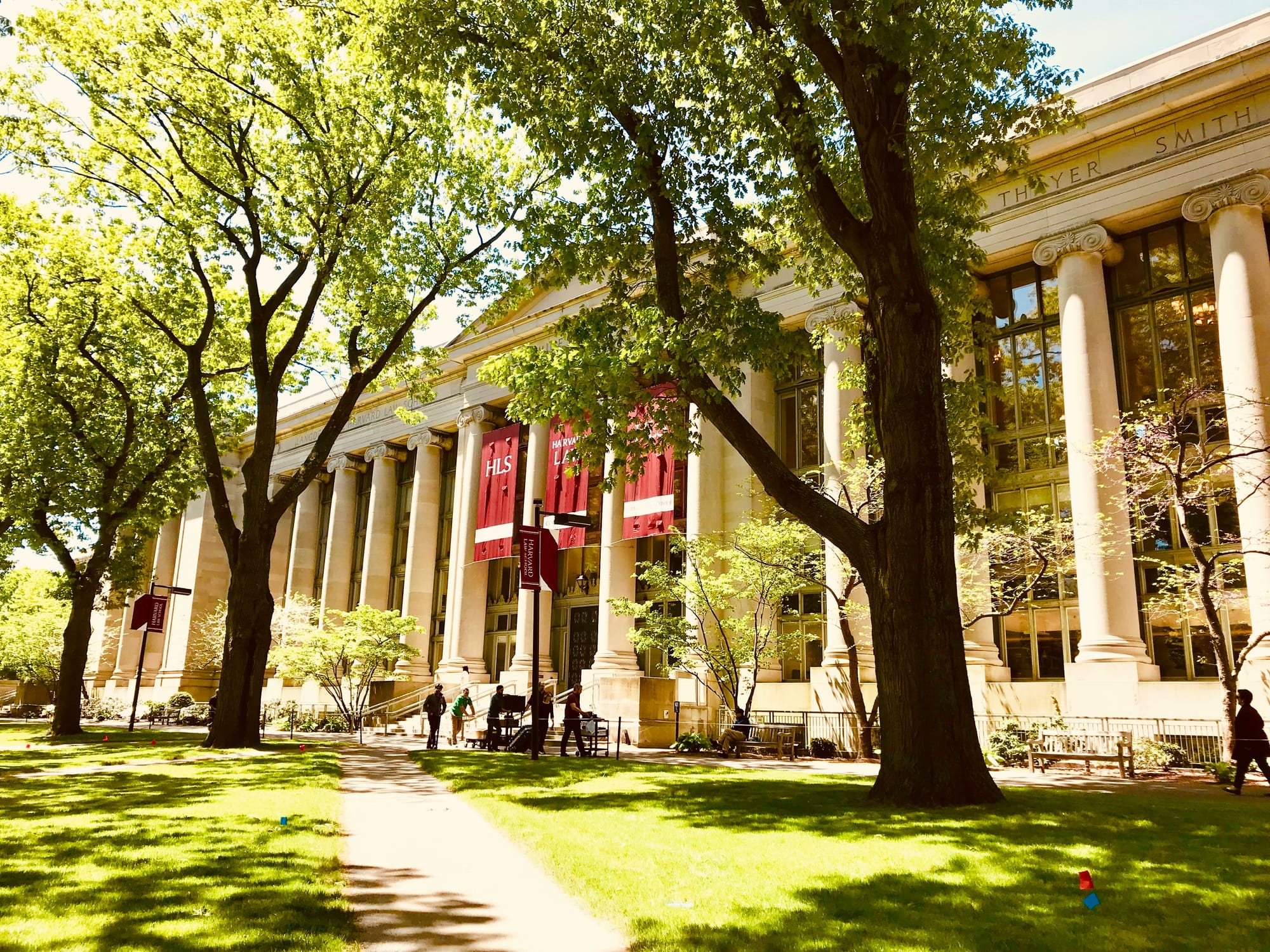
Harvard’s Faculty of Arts and Sciences, which includes the undergraduate college and Ph.D. programs, currently requires 67 steps to hire a new employee. Some administrators work across more than 60 different systems. And within the part of the university being reorganized, roughly 2,300 staff members hold more than 1,500 unique job titles.
Harvard now wants to simplify that system.
In typical Harvard fashion, the university spent years reviewing its finances, created task forces and committees, interviewed employees, gathered data, formed 10 design teams and enlisted nearly 80 faculty and staff members.
It also hired McKinsey. Of course.
The restructuring is expected to result in layoffs and job changes over the next month, though Harvard has not said exactly how many positions will disappear. Faculty members are not expected to be included.
Harvard says the changes are needed to address a projected $365 million structural deficit within the Faculty of Arts and Sciences.
That estimate comes from a reassessment of the university’s finances, including the cost of maintaining Harvard’s old buildings. Standard accounting methods put annual depreciation at about $138 million. Harvard’s reviewers concluded the real cost is closer to $400 million.
The university also expects a higher federal tax on endowment returns to add roughly $98 million to the shortfall.
The school has described the overhaul as a “once-in-a-generation opportunity” to reduce complexity.
A Harvard economist offered a less polished description.
The university, Jeremy Stein said, Harvard resembles "a gigantic battleship with a lot of barnacles that have kind of attached themselves to the ship over the years."
Harvard is now trying to scrape them off—one committee at a time.